What do you get when you make a ball pit out of a kiddie pool and put it in the mongoose habitat at the Houston Zoo? This is a type of enrichment for the animals — mongooses dig as a part of their natural behaviour, and a ball pit encourages digging. And well, it’s a lot of fun for every species — via Youtube

When I met him he dogryzal bone. On the feast itself I did not hit. What that deer out of luck. Chukotka — via 500PX

— via Camilla d’Errico Art
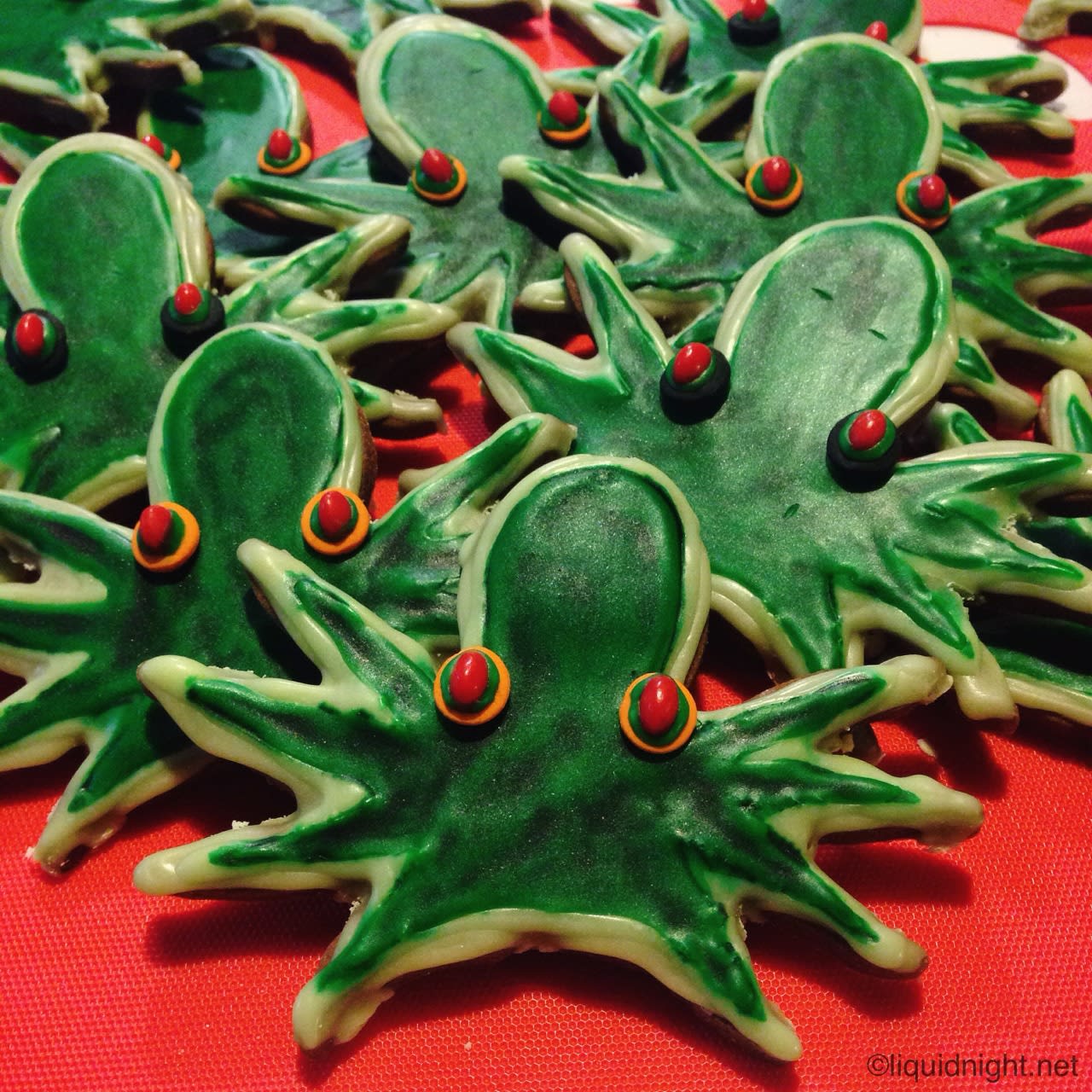
It goes without saying that I’ve tried these cookies myself, which was both reckless and prudent because I learned that I needed to include a warning with the boxes I’ve been sending to people. While eating them, one sometimes hears ancient voices speaking in alien tongues and notices cats, birds and/or trees casting multiple shadows. However these are merely signs of a strictly temporary lunacy that does eventually pass. All essential rites were observed and incantations uttered by me throughout the preparation process. And what’s a little madness and abject terror if it means I’m able to put a smile (however demented) on the face of a friend? Cthulhu fhtagn — Imgur

Another work from the Paradoxes series: Octopus in a birdcage
— via saraelanillustration
See how unique, custom 3D printed prosthetics allow Derby the dog to run for the first time — via Youtube
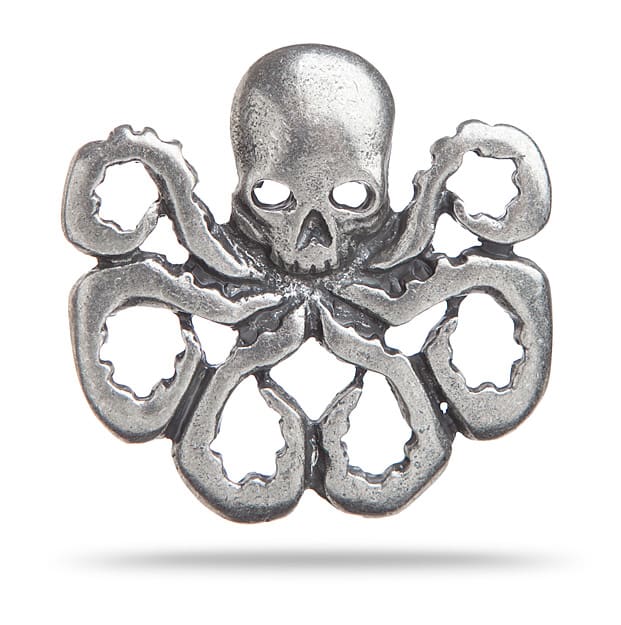
This iconic Hydra logo lapel pin can be seen on Johann Schmidt’s hat and black leather overcoat on his Hero SS costume in Captain America: The First Avenger. And this isn’t just based on that pin — it’s actually cast from the screen-used prop. So, get a Hydra Pin today and let everyone know that if they cut off your head, two more will grow in its place… or something like that — ThinkGeek

Chukotka, March 2013 — via 500PX

Who wouldn’t want to have this warm, wonderful Cthulhu Hat while sledding down the local hill, or skiing the mountain, with your wonderful green tendrils blowing in the wind — via Etsy
These little flying foxes are new arrivals to the Australian Bat Clinic after an extreme heat event separated them from their mothers.
Flying fox colonies are under pressure in Australia due to loss of habitat, a negative public perception and extreme heat events that have wiped out entire colonies. The Australian Bat Clinic and many other wildlife groups in eastern Australia are currently inundated with baby bats that have been rescued following the latest tragedy which saw thousands of bats lose their lives due to the heat.
When a bat mother dies, often their young are still attached and will not survive without the right care. Bat carers play a vital role in not only retrieving suffering bats, but rehabilitating them until they can be released back into the wild. When baby bats first enter rehabilitation it can be traumatising for them as they have just been separated from their mothers to which they have formed strong bonds. Bat carers have to ensure that the baby bats not only are well fed, but that they are nurtured and feel safe in their temporary new home. Providing affection to the bats is a necessity.
The teats represent their mother’s nipple, and this makes them feel more comfortable, as does the security of the blankets which they are often snugly wrapped in.
The bats will remain at the Australian Bat Clinic until they are old enough to be released — via Youtube

I plead the fifth on how that bowling ball got there in the first place. Artwork by Chris Gugliotti — via
Corg Life

Chukotka, 2013 — via 500PX

Tell me more originally uploaded by Red Wolf

Her coffee smelt nice, but it felt like somebody was watching her. It was chilly outside and the aroma of the coffee now had a touch of salt. Like a deep lake of oil, her drink now took on a new dimension. Another side of the kingdom was now presented — via Design Chapel


Lounge Pod and Close Up originally uploaded by Red Wolf
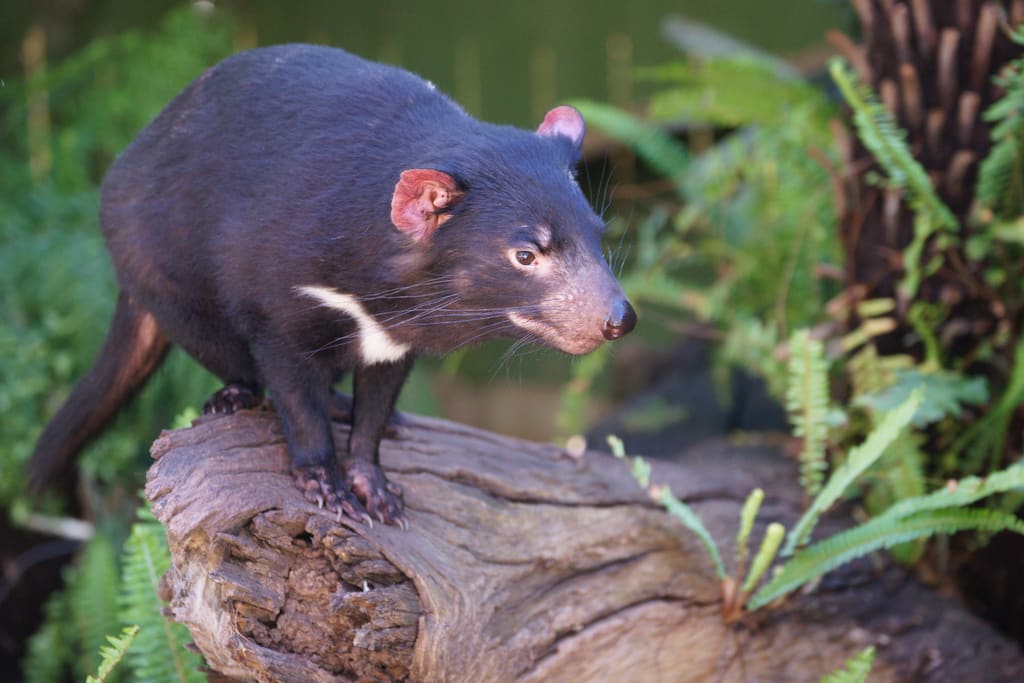
On Monday this week The Conversation published a story under the headline What’s killing Tassie devils if it isn’t contagious cancer?
The article suggested evidence that the Tasmanian devil facial tumour disease (DFTD) is a transmissible cancer is inconclusive and instead, environmental chemicals could be to blame. This misrepresents the state of the science.
All the latest research points to the fact that the deadly DFTD is a transmissible cancer that originated in a female Tasmanian devil. A single cell in this devil (patient zero) developed into a cancer cell.
This is nothing unusual as cancers, whether they are devil or human, originate from a single cell. This single cell divided uncontrollably to produce a tumour (mass of cells).
DFTD developed mechanisms to avoid being killed by the devil’s immune system. Again, nothing unusual — cancer cells usually develop such strategies.
What is unusual about DFTD, though, is that it is transmitted between devils. The same cancer cells from patient zero have spread throughout most of the Tasmanian devil population, killing every devil infected — via redwolf.newsvine.com
Photo: Tasmanian Devil (Sarcophilus harrissi) – Flickr/roger smith

— via 500PX
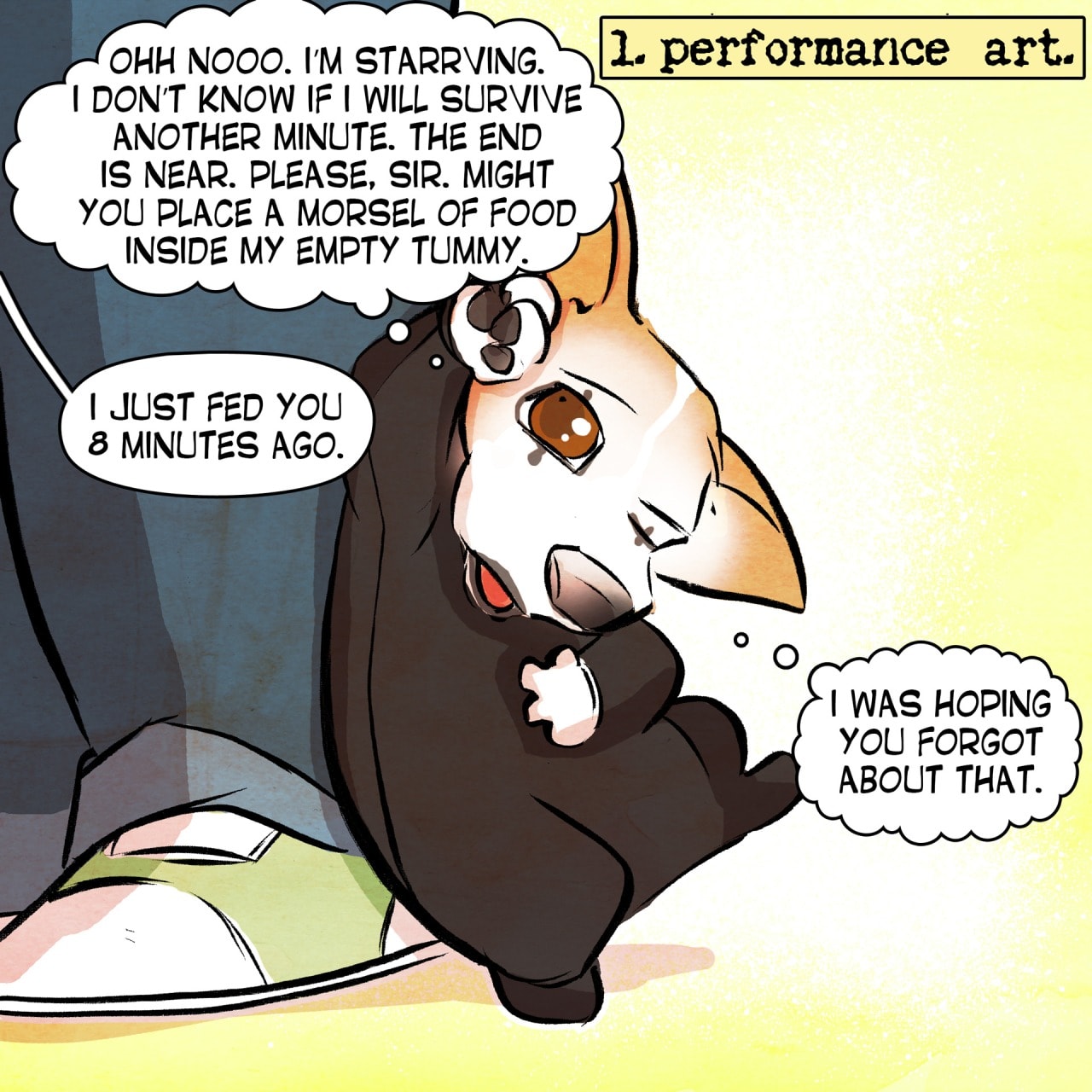
Otis has no shame, particularly if cheese is involved. Chris Gugliotti + The Frogman — via Corg Life


Cheeky Pod and Relaxing in the Shade originally uploaded by Red Wolf


 RSS – Posts