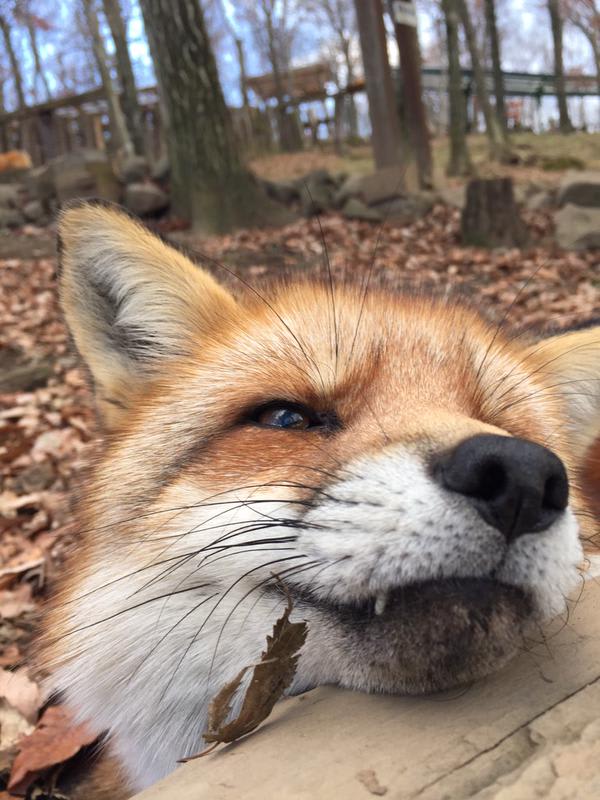

These pictures from the Zao Kitsune (Fox) Village were posted by Twitter user @yasaka_amam, and they capture the gorgeous creatures in all their fluffy glory. I don’t know quite how close the foxes actually let you get to them, but I would just love to bury my face in those silky red coats. And maybe take one home with me. Or a whole leash of them, which is apparently the collective noun for foxes — via RocketNews24

— via Igor Shpilenok

This beautiful little pouch is amazingly versatile. Large enough to be able to hold a wallet and phone — via Etsy

Set sail on an epic adventure wearing this solid bronze Kraken Squid Pendant. Ten detailed tentacles undulate from this impressive giant squid sea monster. The pendant is 1 7/8” long with detailed suction cups on the reverse side. Take a plunge into uncharted waters and let the adventure begin — viaEtsy

Original process, Paper Tile Mosaic, funky, handmade, limited edition art. All pieces are designed and created by Canadian artist Choleena DiTullio. One of a great collection — via Etsy

— via DeviantArt

Eight-month-old Snow Leopard twins, Okara
and Orya
, are practising their big cat skills, at Zoo Zurich — via ZooBorns
Photo: Zoo Zurich/Peter Bolliger

Maria Grazia Rosin was born and raised in Venice, and she trained as a painter at the Academy of Fine Arts. In 1992, she experimented with glass for the first time. Rosin has applied her inventiveness and humour to two of the most traditional Venetian forms in glass: the chandelier and the table centrepiece. This is one of a series of chandeliers in the form of octopuses and squids that the artist has made with the master glass-blower and glass sculptor Pino Signoretto. With its waving arms, murky colour, and staring eyes, the octopus evokes the mysterious depths of the ocean. This subject is perfect for Venice, a city that has had a long association with the sea. This extraordinary chandelier is both a sculpture and a lighting fixture. One of the arms of the huge octopus acts as the vertical shaft of the fixture, and the creature’s remaining arms (five large and two small) are shaped into the traditional arms of the chandelier. The invertebrate’s eyes are illuminated with fibre-optic lighting, and the deep black of the glass is enlivened with iridescent purple, blue, green, and gold sparkles. A small red squid hangs from the bottom of the chandelier — via Corning Museum of Glass

Patrick — a rising star of the reserve Bryansk Forest
— via Igor Shpilenok


Lantana camara cvs and Purple Fountain Grass (Pennisetum advena rubrum) originally uploaded by Red Wolf

Chloe is, now, nine-months-old and out of the pouch. She has become Taronga Zoo Keeper Evelyn’s loyal companion and assistant during her morning rounds at the zoo — via ZooBorns
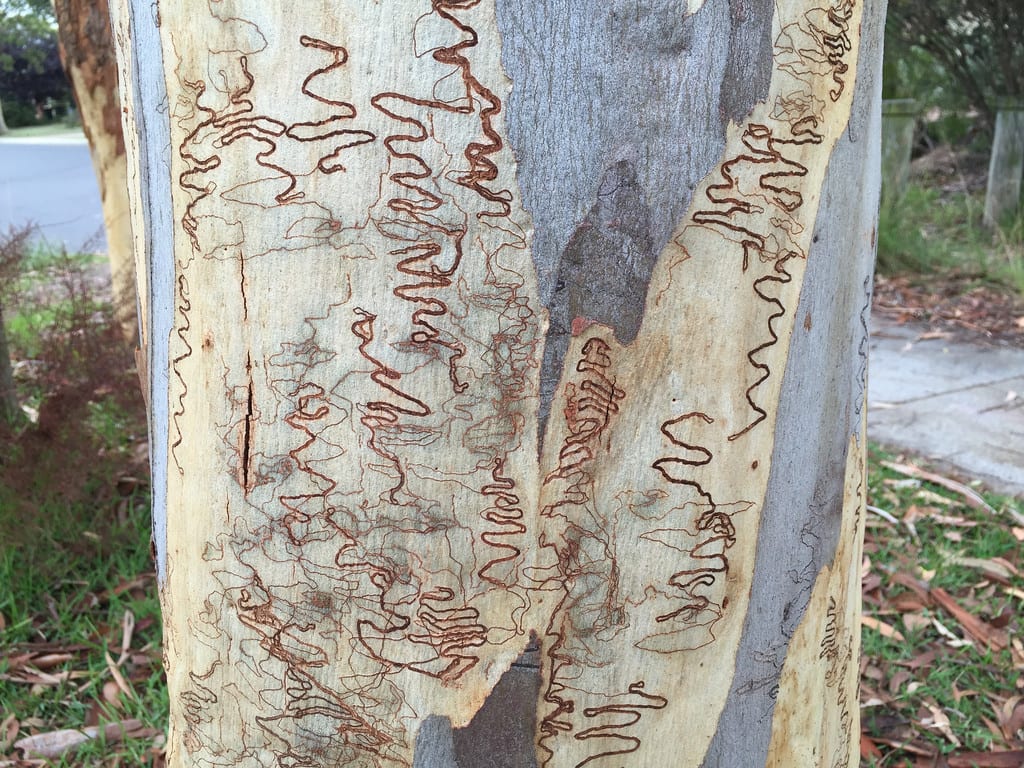
Scribbly Gum (Eucalyptus haemastoma) originally uploaded by Red Wolf
A 3-week-old greater one-horned rhino calf received a morning bottle feeding at the San Diego Zoo Safari Park. After his feeding, he ventured out of his nursery stall for some fresh air and exercise with his keepers. The male calf, yet to be named, was born on 27 November to first-time mother Kaya in the Safari Park’s Asian Plains exhibit.
The calf was small at birth, weighing about 160 pounds (the average birth weight for this species is 160 to 176 pounds). While Kaya nursed and cared for her newborn for almost two weeks, keepers monitoring the calf realized he wasn’t gaining weight as he should. To provide the calf with the optimal care to thrive, he was taken to the Safari Park’s animal care centre where he is watched around-the-clock and bottle-fed every two hours.
Since the calf is being raised in a nursery setting, it is important for him to get daily exercise. After only a week in the nursery, the little rhino is growing stronger and gaining weight at almost four pounds a day. He currently weighs 190 pounds and when full grown can weigh between 4,000 and 5,000 pounds — via Youtube
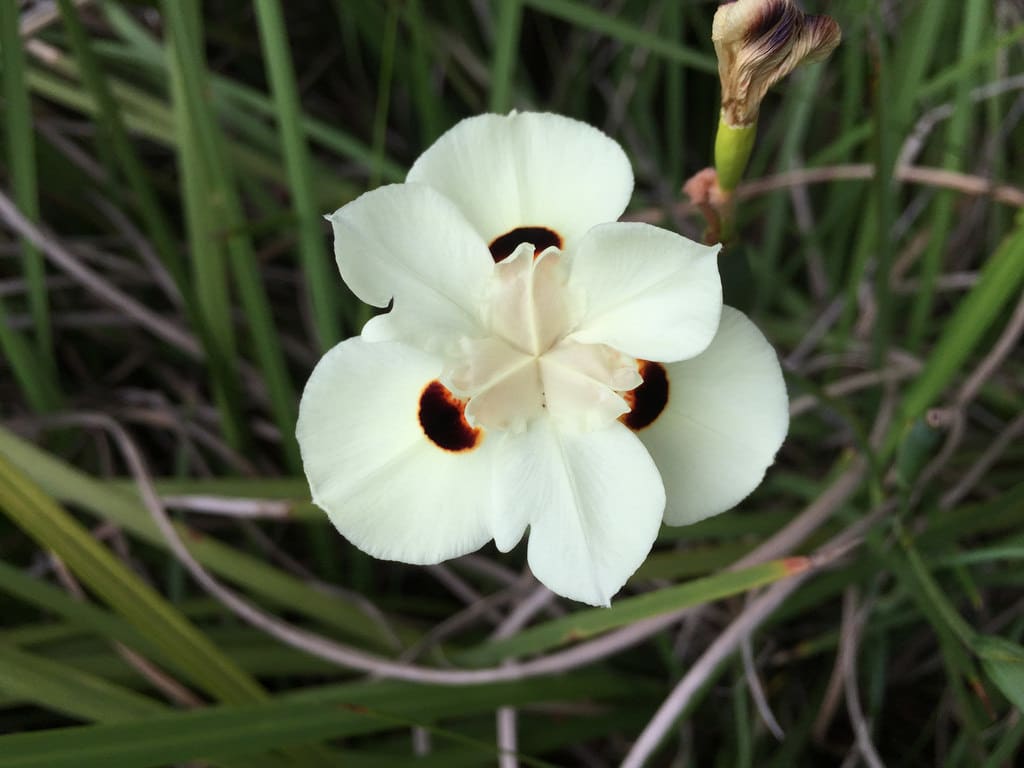

Yellow Wild Iris (Dietes bicolor) and Gathering of the ducks originally uploaded by Red Wolf

Commonly it is crustaceans that are found using abandoned shells for protection from predators. These cephalopods have adopted the same strategy and can be seen to hold the shell on their heads with two tentacles leaving the other six for walking and eating. Typically one tentacle is held in front of the shell opening so it can grab any food items while the others to grip onto the floor — via Etsy

This drawing has been itching to get out of my head for months, so I seized the opportunity to put in some serious work and bring it to life. I love all things nautical (with a little leaning toward steampunk) along with with motifs of sealife and sailing — via Folksy


Casting the evil eye from the foliage and Very Zen originally uploaded by Red Wolf

Meet Becky
and Bandit
, a pair of Bat-Eared Foxes that are now making their home at Cango Wildlife Ranch, Oudtshoorn, South Africa — via ZooBorns


 RSS – Posts