
— via Dork Tower


Pink Hibiscus, Celosia Intenz, Plumbago, Plumbago and Aptenia Cordifolia and Bee originally uploaded by Red Wolf

Agapanthus originally uploaded by Red Wolf

Cotswold Wildlife Park is celebrating the birth of a White Rhino calf. The newborn male, named Alan, is the newest additions to the UK park’s crash
(collective noun for a group of Rhinos) at their Burford collection — via ZooBorns
Grey pod loves the leaking hydrant — via Youtube


Cycad, Pink Geranium and Yellow Rose originally uploaded by Red Wolf

Spilled Jacaranda originally uploaded by Red Wolf


Wild Purple Iris and Tree Fern originally uploaded by Red Wolf

Taronga Western Plains Zoo is pleased to announce the arrival of two healthy litters of Tasmanian Devil joeys. According to keepers, this is one of the most successful years to date for the Zoo’s Tasmanian Devil conservation breeding program.
The first litter of three joeys arrived on 19 March to mother Lana. Keepers were recently able to take a close look at each joey and confirm their sex (two males and one female). Another female, Pooki, birthed four joeys more recently on 19 June, which are yet to emerge from the pouch — via ZooBorns

Owning the rug originally uploaded by Red Wolf
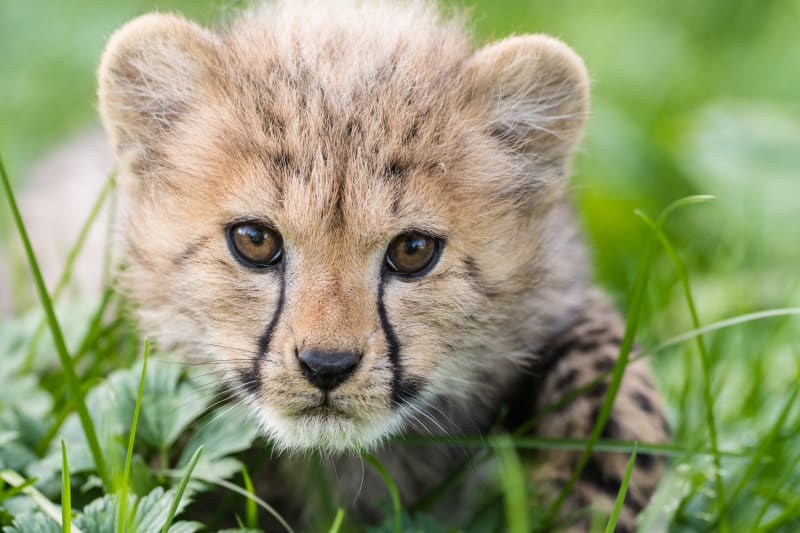
After spending months tucked away with their mother, two Cheetah cubs born at Basel Zoo can now be seen by zoo visitors. The cubs have been named Opuwo and Onysha.
Born on 18 July to first-time mother Novi and father Gazembe, the cubs’ birth is the result of careful planning and strategy by the zoo staff — via ZooBorns
Three adorable, orphaned female Cougar cubs now reside at the Toledo Zoo and Aquarium, in Ohio — via Youtube

Sleeping in originally uploaded by Red Wolf
Archachatina marginata ovum, giant African Snail species — via Youtube

When Woodland Park Zoo keepers opened the door allowing Aibek, a 2-month-old Snow Leopard, to leave the maternity den for the first time, the cub zipped outside so fast that he beat his mum into the outdoor habitat — via ZooBorns
A two-month-old baby rhino tries to get the attention of its mum in the most adorable way at Chester Zoo — via Youtube

This is my sad face originally uploaded by Red Wolf


 RSS – Posts